The Art of Resilience: Why an Overcoming Adversity Podcast is Essential in 2026
True resilience isn't found in a "get well soon" card or a generic motivational quote; it's earned in the quiet, difficult hours of the messy middle where recovery feels stagnant and the road ahead looks unrecognizable. If you're navigating the aftermath of a spinal cord injury or the long shadow of Alzheimer's, you've likely encountered a wall of toxic positivity that ignores the gravity of your situation. It's exhausting to feel seen only through a lens of pity or to have your complex grief met with superficial cheer. You deserve a space that acknowledges the weight of your experience without looking away.
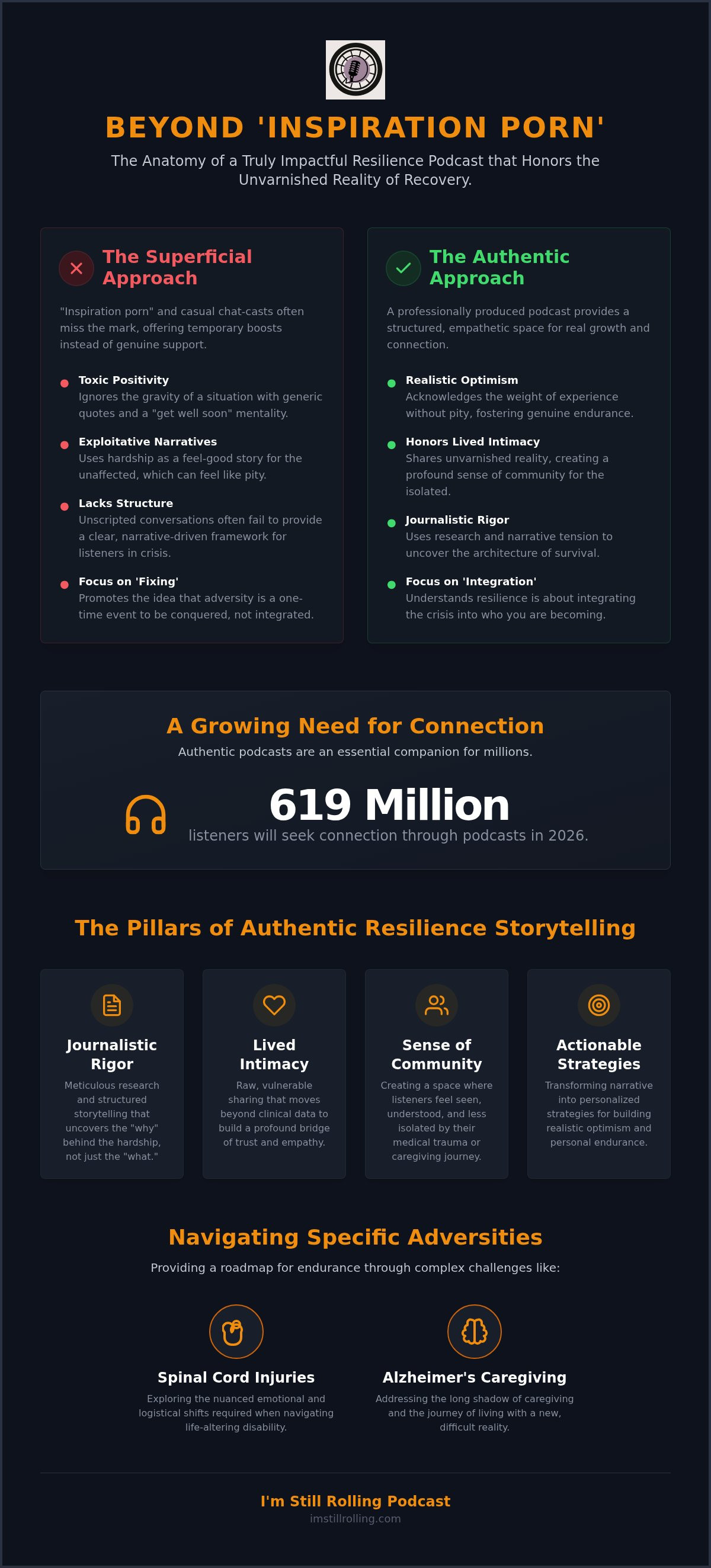
This is why an authentic overcoming adversity podcast has become an essential companion for the 619 million listeners seeking connection in 2026. We understand that you aren't looking for a quick fix, but rather a community that speaks the language of realistic optimism. This article explores how journalistic storytelling transforms raw hardship into a roadmap for enduring endurance. We will look at how moving beyond clinical data to share lived intimacy provides the practical coping mechanisms and representation you need to feel truly understood while you continue rolling forward.
Table of Contents
What Defines a Truly Impactful Overcoming Adversity Podcast?
The digital airwaves are crowded with voices promising a quick ascent from the depths of despair. However, a truly impactful overcoming adversity podcast doesn't offer a ladder to escape the struggle; it offers a flashlight to navigate it. In 2026, the cultural appetite has shifted away from "inspiration porn," those shallow narratives that use someone else's hardship as a temporary feel-good boost for the unaffected. Instead, we crave stories that respect the gravity of life-altering events. We want the unflinching truth, where the goal isn't necessarily to "get better" in a clinical sense, but to find a way to live well within a new, often difficult, reality.
This shift represents a move toward realistic optimism. It's a grounded, soulful approach that acknowledges the pain of a spinal cord injury or the slow erosion of Alzheimer's without descending into pity. By creating a safe space for these heavy topics, we allow for a deep-dive into the human condition. It's here, in the intersection of professional journalistic rigor and raw intimacy, where listeners find the endurance to continue.
The Shift from 'Fixed' to 'Integrated'
Many people view adversity as a one-time event to be conquered, but for those in the thick of medical trauma or caregiving, it's an ongoing journey. The most sophisticated storytelling recognizes that some parts of life are simply unfixable. Resilience isn't about returning to who you were before the crisis; it's about integrating the crisis into who you are becoming. This is the "messy middle" of recovery, a place where progress is measured in small, quiet victories rather than grand, cinematic triumphs. Acknowledging this gravity allows for a connection that feels both authoritative and deeply personal.
Why We Seek Stories of Resilience
We are drawn to these narratives because they provide a mirror for our own internal struggles. Hearing a long-form interview where someone shares their vulnerability builds a unique bridge of trust. It goes beyond a casual chat, instead utilizing structured storytelling to explore the nuances of Psychological resilience. This isn't just about survival; it's about the universal human drive to find meaning within struggle. When we hear others articulate the emotional shifts of caregiving or disability, we feel seen. We realize that while our circumstances may be unique, the search for purpose amidst transformation is something we all share. This connection is the heartbeat of a meaningful overcoming adversity podcast.
The Journalistic Advantage: Why Professional Insight Matters
The digital landscape is saturated with "chat-casts," where two people talk without a map or a destination. While these casual conversations can feel friendly, they often fail the person sitting in the middle of a life-altering crisis. Professional journalism brings a different set of tools to the table. It uses narrative tension and meticulous pacing to reveal the unflinching truth of hardship. In an overcoming adversity podcast, the goal isn't just to fill silence; it's to uncover the architecture of survival. By applying newsroom discipline to personal trauma, a host can draw parallelisms between one person's spinal cord injury and the broader societal gaps in disability rights. This unhurried, deep-dive approach creates a resonance that sticks with the listener long after the audio stops.
Rigor Meets Intimacy
Mike Sugerman and Janice Wright don't just record; they report. They blend decades of high-level media experience with the raw heart of their own lived experiences as a survivor and a caregiver. They understand that the "messy" parts of a conversation are often where the most profound growth occurs. They don't sanitize the struggle or edit out the difficult silences. Journalistic resilience is the intersection of fact-finding and soul-searching. This approach is vital for building your resilience because it provides a realistic, unvarnished mirror for your own journey rather than a distorted, overly cheerful one.
Beyond the Mic: Research and Transcripts
The real work of a professional overcoming adversity podcast happens before the "record" button is ever pressed. Thorough research into a guest's history transforms the interview from a surface-level Q&A into a profound exploration of the human condition. Professional framing sets the emotional stakes early, allowing the audience to understand the context of the struggle before the details are revealed. Additionally, providing podcast transcripts ensures accessibility for the disability community and offers a tool for deeper reflection. If you're looking for this level of narrative depth, you can explore the latest I'm Still Rolling podcast episodes to see this journalistic rigor in action.
Navigating Specific Adversities: Disability and Caregiving
Facing a life-altering diagnosis isn't a single moment of impact; it's a series of ripples that touch every corner of your existence. For many, the most isolating part of this journey is the lack of authentic representation in mainstream media. You don't see the messy middle of recovery or the quiet, logistical grind of caregiving on the evening news. This gap is exactly why a dedicated overcoming adversity podcast serves as a lifeline. It provides a mirror for experiences that are often hidden behind closed doors, offering a community for those navigating the unfixable. By listening to others who have walked these paths, you begin to see your own struggle not as a failure, but as a testament to your endurance.
Life After Spinal Cord Injury (SCI)
The first six months following a spinal cord injury are often a blur of sterile rooms and intensive rehabilitation. However, the most profound shift happens during the transition from the hospital to the home. This is when the reality of "life beyond the chair" begins to take shape. It's a period of intense identity renegotiation where you must learn to separate your worth from your physical mobility. Stories of personal growth after medical trauma are essential here. They show that joy isn't a destination reached after you're "cured," but something you can cultivate while navigating a new physical reality. Finding these narratives helps you move past the initial shock and into a space of realistic optimism.
The Reality of Family Caregiving
Caregiving for a spouse with Alzheimer's is often described as the "long goodbye." It's a unique form of grief where the person is physically present but emotionally receding. Navigating the first 48 hours after a dementia diagnosis requires immediate, practical steps, yet the long-term mental health impact on the family unit is equally critical. You have to learn a new way to communicate, focusing on emotional connection rather than factual accuracy. Shared stories of grit and determination help address the creeping shadow of caregiver burnout. By hearing how others manage the emotional weight, you can discover your own strategies for building resilience within the home. This collective wisdom is a primary benefit of an overcoming adversity podcast, as it validates your exhaustion while highlighting your strength.
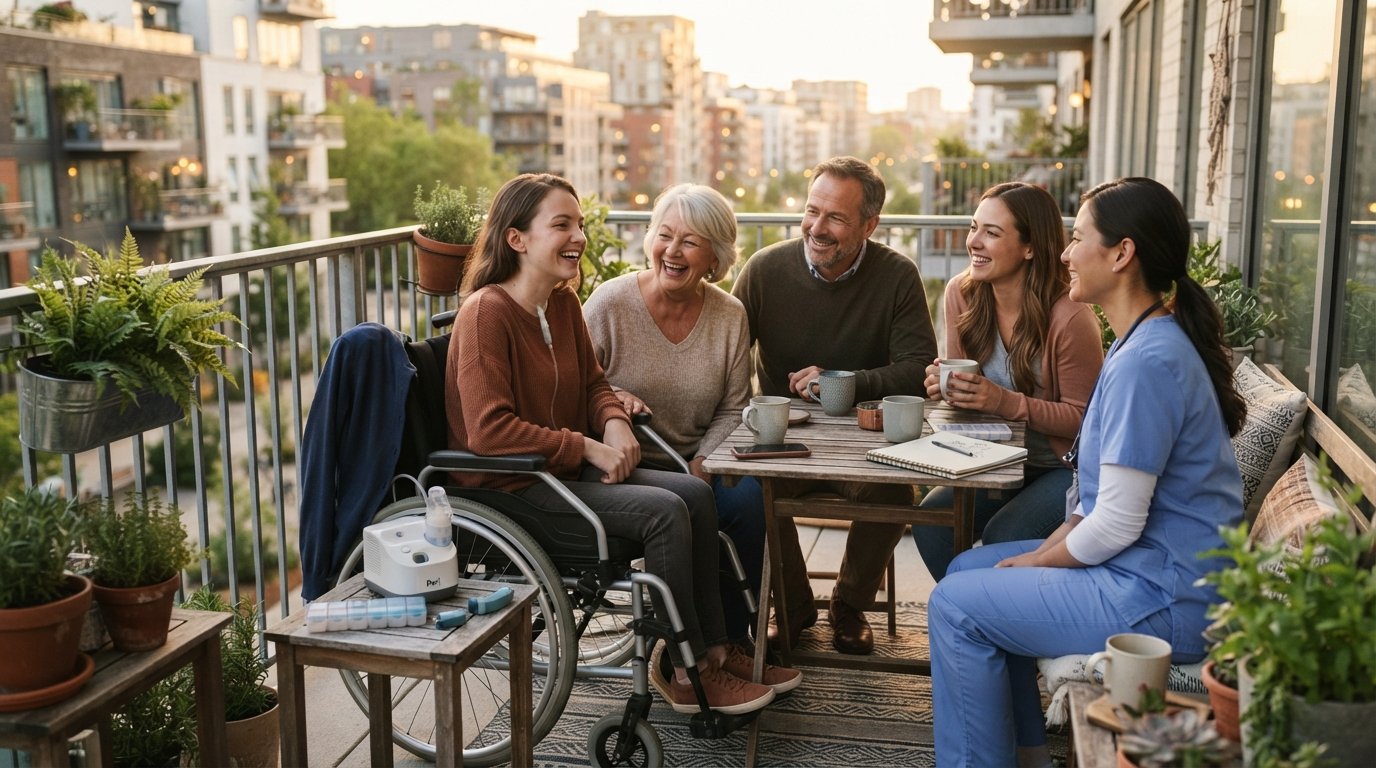
Whether you're the one in the chair or the one standing beside it, these stories remind you that you aren't alone in the "messy" parts of life. We don't just talk about the recovery; we talk about the reality of living with chronic illness and the grace required to keep rolling forward.
How to Use Podcasts as a Tool for Personal Transformation
Transformation doesn't happen by accident; it requires intentionality and a willingness to sit with discomfort. When you select an overcoming adversity podcast, you're choosing a companion for your most difficult hours. You aren't looking for a distraction, but a mirror. To move beyond passive consumption, you must curate your feed with precision. Seek out shows that offer wisdom and "realistic optimism" rather than superficial cheer. The goal is to find voices that resonate with your specific struggle, whether that's the logistical grind of caregiving or the identity shift following a spinal cord injury.
Active listening is the engine of change. Don't just let the audio wash over you while you perform other tasks. Pay attention to the narrative tension in the story. Where does the guest's experience brush against your own? Use these moments of connection to find your own answers. Many listeners find that using Podcast Transcripts as journal prompts can accelerate their recovery journey. Highlighting a passage about the "messy middle" of someone else's struggle allows you to externalize your own pain, making it easier to examine and integrate into your life.
Sharing these episodes with loved ones is another powerful tool for transformation. Often, the emotional shifts of medical trauma are too complex to explain in a casual conversation. Letting a professional, narrative-driven interview speak for you can bridge communication gaps with friends or family who want to help but don't know how to ask. It shifts the dynamic from one of pity to one of shared understanding.
Building a Resilience Toolkit
A resilience toolkit is built on the foundation of realistic optimism. This means identifying cues in a story that acknowledge the gravity of a situation while still pointing toward endurance. Long-form interviews are particularly effective for cognitive processing of trauma because their unhurried pacing mirrors the slow cadence of real healing. Narrative therapy in podcasting functions as a collaborative process where listeners re-author their own traumatic experiences by identifying with the structured, meaning-making sequences of another person's story. This process helps you move from feeling like a victim of circumstance to being the protagonist of your own endurance.
Moving from Listener to Participant
Deepening your engagement is the final step in personal transformation. Subscribe to the I'm Still Rolling Newsletter to receive deeper context and personal reflections that don't always make it into the final audio edit. By engaging with the community through social media or direct feedback, you contribute to a movement that values journalistic truth over "inspiration porn." You'll eventually find your own voice by learning from those who have already spoken. Supporting disability media through advocacy ensures these vital stories continue to reach those who need them most. Join our community by subscribing to the newsletter to stay connected to these unflinching conversations.
I'm Still Rolling: The Definitive Resilience Podcast for 2026
Finding a truly impactful overcoming adversity podcast means seeking out hosts who do more than just facilitate a conversation. You need guides who have navigated the terrain themselves. Mike Sugerman and Janice Wright are not just voices in your ears; they are seasoned professionals who spent decades reporting on the world before life redirected their focus. As a survivor of a spinal cord injury and a caregiver for a spouse with Alzheimer's, they embody the "trusted guide" persona by blending newsroom discipline with the raw heart of their lived experience. This show doesn't just discuss hardship. It interrogates the structures of disability rights and the emotional tax of caregiving with a level of journalistic truth that is often missing from the medium.
The show purposefully avoids the tired tropes of "inspiration porn" that often plague stories about disability. Instead, it delivers a soulful, grounded connection that prioritizes the "messy middle" of the human condition. By focusing on the intersection of physical limitation and the logistical grind of long-term care, the podcast addresses a critical gap in the current media landscape. It creates a space where realistic optimism isn't just a catchphrase, but a practiced way of moving through the world when things cannot be "fixed."
A Fellow Traveler on a Difficult Journey
The philosophy of "I'm Still Rolling" is rooted in movement. It suggests that while you may not be able to return to your previous life, you are still in motion. This distinction is vital. Mike and Janice use their award-winning journalistic backgrounds to ensure every episode is more than just a personal story. They provide a framework for understanding the broader societal implications of medical trauma. Their reporting brings a level of professional authority to topics like disability representation, ensuring that the stories told are both evocative and accurate. This approach helps listeners feel seen as peers rather than subjects of pity.
Join the Conversation
To get the most out of this resource, it's essential to engage with the full ecosystem of the show. Beyond the audio episodes, you can access video content and detailed transcripts that allow for deeper reflection on the themes discussed. The "Resilience" newsletter provides a weekly touchpoint for the community, offering additional resources and personal insights that don't always make it into the final edit. If you are looking for a community that understands the specific weights of SCI or Alzheimer's, this is where you belong. You can start your journey toward a more resilient future today. Subscribe to the I'm Still Rolling Podcast and Newsletter to ensure you never miss an unflinching conversation about what it means to keep rolling forward.
As a premier overcoming adversity podcast, I'm Still Rolling stands as a testament to the power of shared truth. Whether you are a survivor, a caregiver, or someone seeking a deeper understanding of the human spirit, these stories offer the roadmap you've been looking for. The road is long, but you don't have to travel it alone.
Embrace the Strength of Shared Truth
Journalistic storytelling does more than just recount events; it provides the necessary structure to process the unfixable. By moving away from superficial cheer and toward the unvarnished truth of spinal cord injuries and Alzheimer's caregiving, we find a community that values endurance over quick fixes. We've explored how professional rigor and raw intimacy create a safe space for deep reflection, turning passive listening into a powerful tool for personal transformation. This approach ensures that your experience is seen without being pitied.
When you engage with a dedicated overcoming adversity podcast led by veteran journalists like Mike Sugerman and Janice Wright, you're choosing a guide who understands the weight of your journey. They don't look away from the messy parts of life. Instead, they offer a roadmap for realistic optimism that acknowledges the gravity of your situation while honoring your strength to keep moving. These authentic stories provide the representation and practical coping mechanisms needed to navigate the long goodbye or a new physical reality.
You don't have to navigate these logistical and emotional shifts in isolation. Listen to the Latest Episodes of I'm Still Rolling to find the connection and grounded wisdom you deserve. You're still here, you're still rolling, and you certainly aren't alone.
Frequently Asked Questions
What makes I'm Still Rolling different from other overcoming adversity podcasts?
I'm Still Rolling distinguishes itself by blending professional journalistic rigor with the raw, lived intimacy of its hosts. Unlike many others, this overcoming adversity podcast avoids superficial "inspiration porn," opting instead for unflinching honesty about the messy middle of recovery. Mike Sugerman and Janice Wright use their media expertise to frame personal hardships within broader societal contexts, offering a grounded perspective that feels both authoritative and deeply personal.
Can listening to stories of resilience actually help with my own trauma?
Listening to stories of endurance can be a form of narrative therapy that helps you externalize and process your own experiences. When you hear others articulate the emotional shifts of medical trauma, it validates your feelings and reduces the sense of isolation. This shared vulnerability provides practical coping mechanisms and a roadmap for realistic optimism, helping you find meaning within your own struggle without the pressure of a quick fix.
Is this podcast only for people with physical disabilities?
While the podcast features deep dives into spinal cord injury and Alzheimer's caregiving, its themes are universal to the human condition. The show explores transformation, the nuances of interpersonal relationships, and the discovery of meaning within any life-altering challenge. Whether you're navigating a physical disability, supporting a loved one through cognitive decline, or facing a significant emotional shift, these stories offer wisdom applicable to any journey of endurance.
How often are new episodes of I'm Still Rolling released?
New episodes are released on a regular cadence to provide consistent support and community engagement for our listeners. You can find the most current schedule and the latest overcoming adversity podcast episodes directly on our website or through your preferred streaming platform. Subscribing to our newsletter is the best way to stay updated on release dates and receive exclusive behind-the-scenes content that deepens the narrative experience.
Where can I find support and resources for spinal cord injury recovery?
While I'm Still Rolling doesn't provide medical or rehabilitation services, our episodes and newsletter frequently highlight communities dedicated to spinal cord injury recovery. We recommend exploring established organizations like the United Spinal Association or the Christopher & Dana Reeve Foundation for clinical and advocacy support. Our podcast serves as a companion to these resources, focusing on the emotional and identity shifts that accompany the recovery process.
How do I subscribe to the I'm Still Rolling newsletter?
You can easily subscribe to the I'm Still Rolling newsletter by visiting our official website and entering your email address in the sign-up section. This newsletter offers a deeper dive into the themes of our episodes, providing personal reflections and additional context that isn't always captured in the audio. It's a vital tool for staying connected with a community that understands the reality of long-term caregiving and disability.
Can I suggest a guest or a story for the podcast?
We welcome suggestions for guests or stories that align with our focus on journalistic truth and realistic optimism. If you have a narrative of endurance or a unique perspective on caregiving and disability that you believe our audience should hear, please reach out via the contact form on our website. We prioritize stories that explore the complexities of the human spirit with honesty and maturity, moving beyond simple tropes.
Are there video versions of the podcast episodes available?
Yes, full video versions of our podcast episodes are available for those who prefer a more visual and immersive storytelling experience. We recognize that accessibility is paramount, so we provide our content in audio, video, and written transcript formats. You can watch these episodes on our website or our dedicated YouTube channel, allowing you to see the raw intimacy and connection between the hosts and their guests.

Comments