Parenting a Child With a Disability: Stories of Care and Home Life
A diagnosis can change more than a medical chart. It can reshape the everyday rhythm of family life. Parenting a child with a disability stories hold several truths at once: care can be exhausting, while love, attachment, and familiar routines continue to grow. There’s no single emotional script for what comes next.
Readers turn to parenting a child with a disability stories to understand daily life, how care affects a family, and whether a new rhythm can emerge after diagnosis. These accounts make room for uncertainty without reducing a child or family to a diagnosis.
Here, you’ll hear parents describe medical appointments, caregiving, the bonds they build with their children, and adjustments at home. You’ll also encounter the varied feelings and practical realities that can follow a diagnosis. These parenting a child with a disability stories offer recognition, not a one-size-fits-all answer.
Table of Contents
Caring for children with complex medical needs
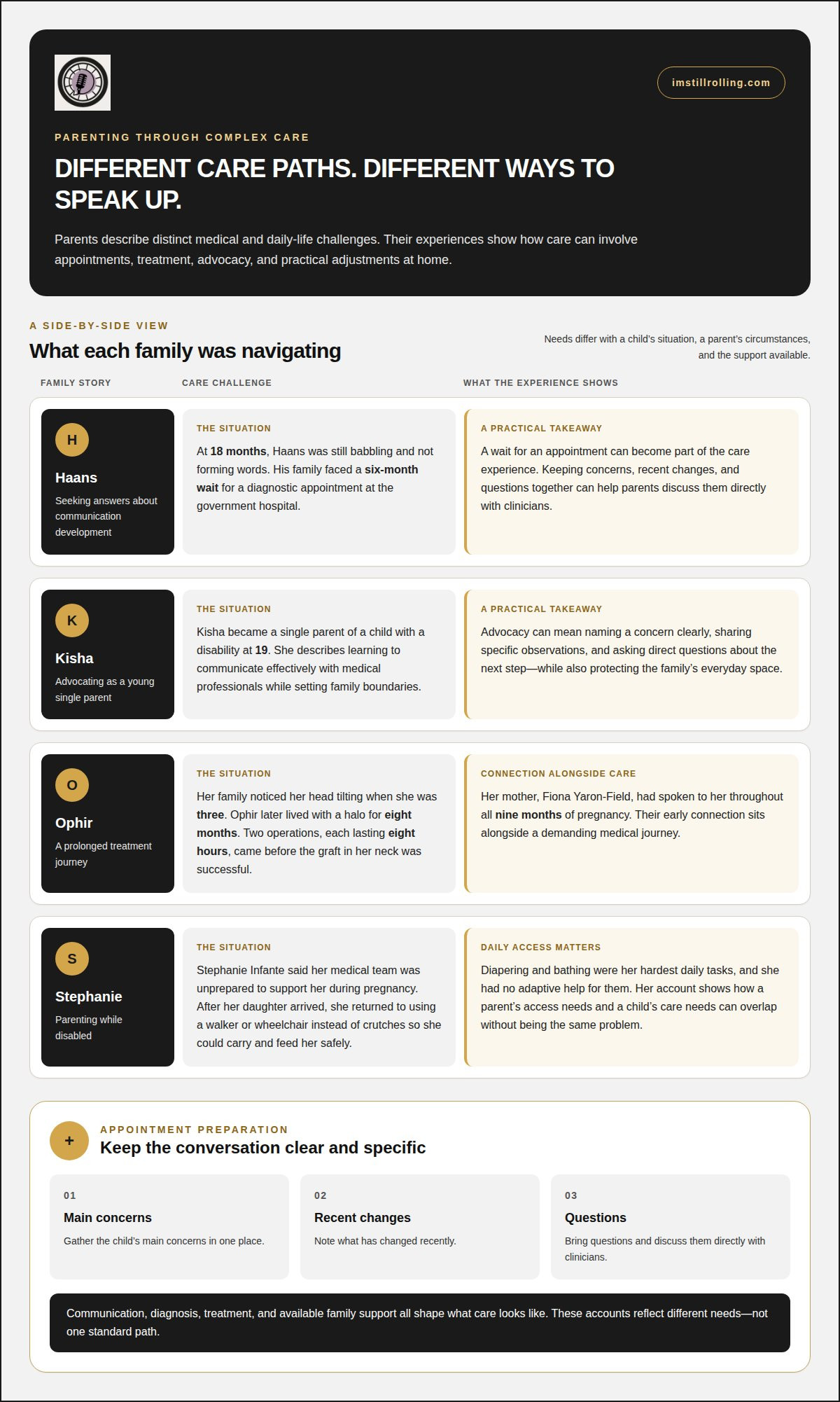
Experiences differ with a child’s disability, age, and support needs. One family may face surgery and hospital routines, while another focuses on communication or developmental assessment. Haans was still babbling and not forming words at 18 months. His family faced a six-month wait for a diagnostic appointment at the government hospital, making the path to answers part of their care experience.
Kisha became a single parent of a child with a disability at 19. She describes learning to communicate effectively with medical professionals while setting family boundaries to create a healthy environment for her daughter. In practice, this means naming a concern clearly, sharing specific observations, and asking direct questions about the next step. Kisha’s experience shows that advocacy can include both speaking up in medical settings and protecting the family’s daily space.
Ophir’s story shows how a child’s needs can change over time. Her family noticed her head tilting when she was three. She later lived with a halo for eight months while being treated for atlantoaxial instability. Two operations, each lasting eight hours, came before the graft in her neck was successful. Her mother, Fiona Yaron-Field, had spoken to her throughout all nine months of pregnancy. That early connection sits alongside a demanding medical journey.
Self-advocacy also matters when a parent is disabled. Stephanie Infante said her medical team was unprepared to support her during pregnancy, so she had to advocate for herself. After her daughter arrived, she returned to using a walker or wheelchair instead of crutches so she could carry and feed her safely. She identified diapering and bathing as her two hardest daily tasks, with no adaptive help for them. Her account shows how medical care and parenting needs can overlap without being the same problem.
These stories suggest a practical way to prepare for appointments: keep the child’s main concerns, recent changes, and questions together, then discuss them directly with clinicians. Haans’s delayed appointment, Ophir’s long treatment, and Stephanie’s pregnancy experience reflect different needs, not one standard path. A child’s communication, diagnosis, treatment, and available family support all shape what care looks like. Parents’ accounts can help others find language for those realities and recognize when they need to speak up.
Support families and parent-child attachment
Attachment grows through dependable care, not one prescribed family structure. Every Child Texas describes bonding, safety, love, support, and trust in a dependable caregiver as basic developmental needs. A caregiver at home can meet those needs, even when they aren’t the child’s biological parent.
Bryan had lived in a facility until age 10. Moving into family care can bring major changes in people, routines, and surroundings. A thoughtful transition can introduce caregivers gradually, keep familiar routines where possible, and share the child’s preferences with each person joining the care team. That gives the child clearer signals about who is present and what comes next.
Stephanie Infante’s experience shows how practical support can protect the parent-child connection. Her family helped her parent as a single mother, creating a reliable support network. She also found that having many people around could make one-on-one time with her daughter difficult. Agreeing on who handles specific tasks can leave room for quieter moments together.
Families may also need to respond to friends’ questions or awkward reactions. Stephanie’s account points to a useful boundary: accept help that meets a real need, and explain simply when a parent wants time alone with their child. When a parent physically can’t do an activity, she recommends asking someone else to step in. Friends can make support easier to receive by listening first and offering specific help.
In the U.S., families may explore public benefits, insurance-based coverage, and local assistance programs. Eligibility depends on the program and family circumstances. In conversations about IEP and school support, parents can describe their child’s needs, ask the school to document agreed supports, and discuss how progress will be reviewed. Stories about diagnosis and care often include long waits, changing assessments, and families seeking therapies suited to a child’s needs.
Respite care offers temporary relief from caregiving, while burnout can make it harder to sustain daily care and connection. Stephanie recommends asking for help, taking breaks, and treating yourself with kindness. Families building their support circle can also explore first-person caregiving stories for honest accounts of attachment, family life, and resilience.
Adapting the home for parenting
Daily care can feel more manageable when routines and useful items have a clear place. Start with one repeated task, such as feeding or changing, and keep the necessary items within easy reach. Then identify what makes the routine difficult: reaching, carrying, moving between rooms, or keeping the child close. Small, specific adjustments can address the actual obstacle without reorganizing the entire home.
Stephanie Infante adapted her sleeping arrangements for access and closeness. She used a bedside bassinet so she could reach her baby more easily. She also kept her daughter’s crib in her room, inches away. In her account, these choices kept her baby within reach at night and together in the same space.
Her example offers a practical way to assess a room: notice where the parent and child spend time, then identify the movement each care task requires. If feeding happens beside the bed, keep necessary items nearby. If a parent needs to transfer or reposition a child, clear the path first. The right arrangement depends on the parent’s mobility and the child’s needs.
Routines matter, too. Putting steps in a consistent order can make transitions easier to remember: prepare the space, bring the child close, complete the task, then return supplies to their place. A written note or visible reminder can help family members follow the same sequence. Shared routines also make handoffs clearer when someone else helps.
Home changes should support both care and connection. Stephanie’s bedside setup shows how access and closeness can work together. Parents can review one daily task at a time, involve the child where appropriate, and adjust the setup as needs change. Clothing was another practical consideration for Stephanie: she found Velcro or magnets easier to manage than buttons and snaps. Her experience shows how everyday objects, not just room layouts, can shape a parent’s routine.
Parent experiences after a child’s disability diagnosis
A diagnosis can bring relief, grief, questions, or several feelings at once. Parents’ accounts show why there’s no single response. The experience depends on the child’s needs, when answers arrive, and how family life changes afterward. A diagnosis may offer language for a child’s differences, but it doesn’t erase uncertainty or make every next step obvious.
Magnolia Rose Riley was diagnosed with autism at 18 months old. Michael received diagnoses of developmental delay and a seizure disorder at 13 months. Later, at age eight, he received a diagnosis of Lennox-Gastaut Syndrome. Their timelines show that understanding a child’s needs can unfold through more than one assessment. Each new diagnosis can reshape what parents understand about their child and the support they seek.
One mother said her son’s behavior issues went undiagnosed by his school for close to two years. She described him as a scared, struggling five-year-old who needed help handling his emotions. When he started elementary school, he needed one-on-one care after school. Naming those needs helped make the gap between his distress and the support around him visible.
Families also describe the emotional work that follows an answer. A parent may be learning new terms while still responding to a child’s daily needs, school experiences, and changing behavior. A useful first step is to write down what the diagnosis explains, what remains difficult, and what support would help with the next routine or transition. Specific observations give families clearer language for conversations about their child.
Firsthand interviews, memoirs, and personal essays, including the stories gathered here, offer parents’ perspectives. Look for narratives that describe the child’s age, support needs, and family circumstances, not just the diagnostic label. Magnolia’s early autism diagnosis and Michael’s later, additional diagnosis reveal different paths. Read for practical details and emotional honesty, remembering that another family’s experience can offer perspective without predicting your own.
I'm Still Rolling Podcast
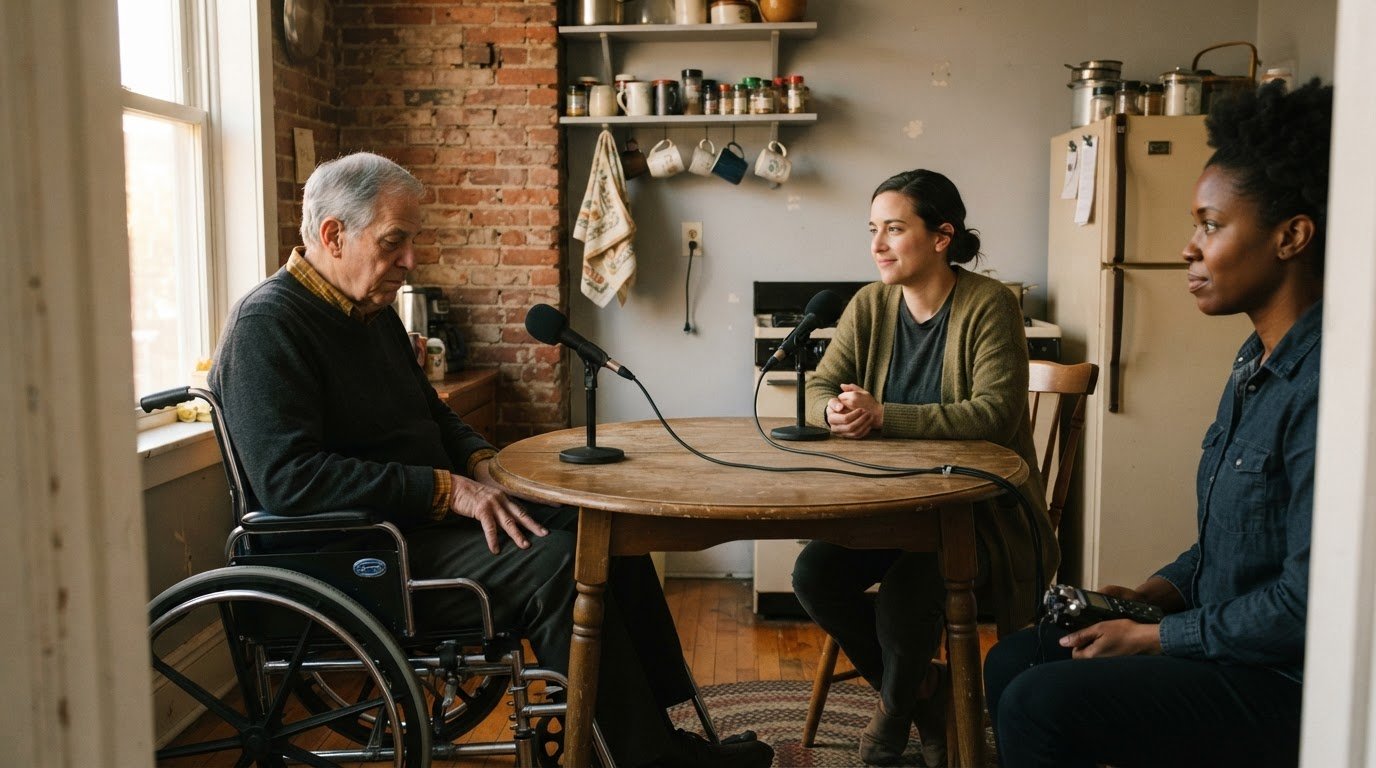
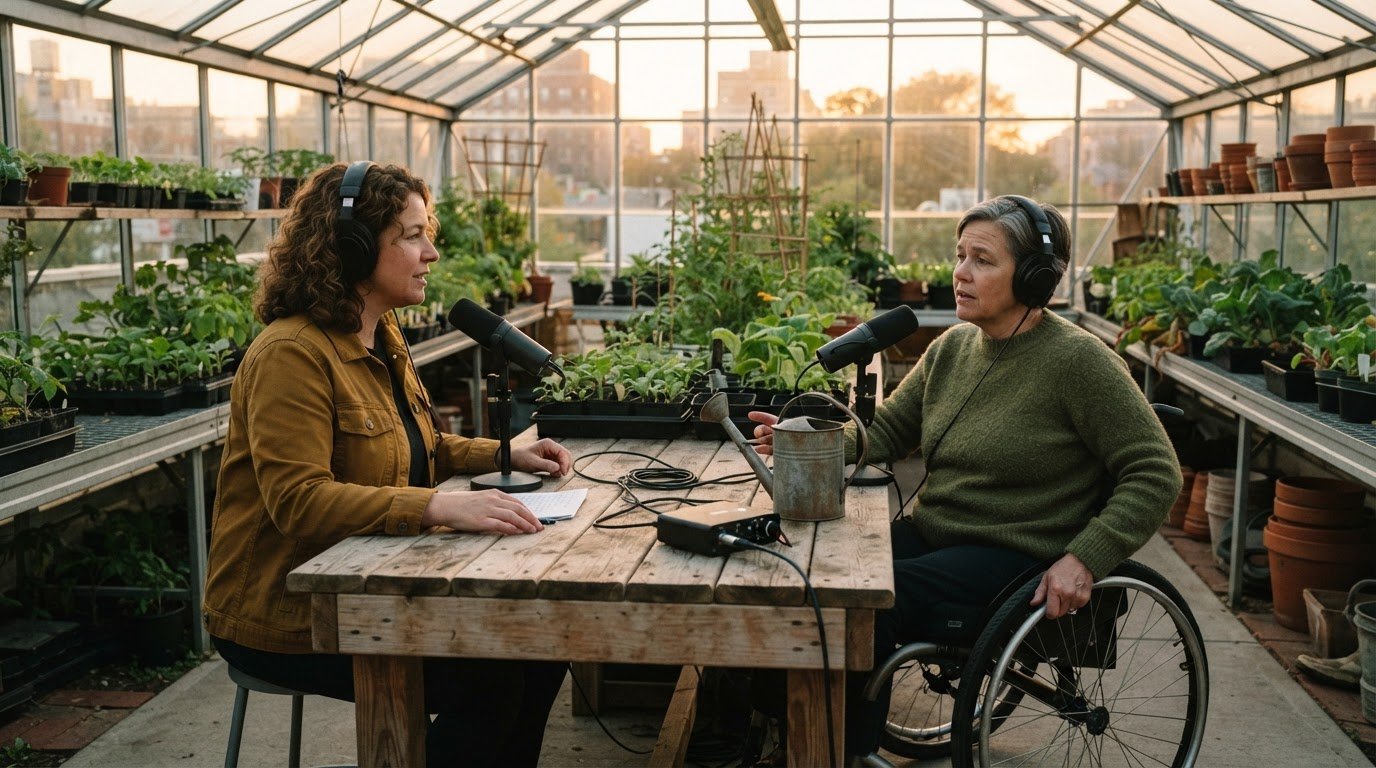
I'm Still Rolling Podcast offers candid conversations about disability, caregiving, resilience, and life after adversity. Turn to these stories when you want to hear people describe experiences that can be difficult to explain, without expecting one family’s path to provide a template for another’s.
Episodes and transcripts let you listen or read at your own pace, while the newsletter offers another way to follow the show. Together, these formats make room for personal accounts alongside the practical realities of family life, identity, and change. They can help you find words for your questions or recognize parts of your experience in someone else’s.
To share a thought or ask about the show, contact I'm Still Rolling Podcast.
Carry the conversation forward
There’s no single way to make sense of a diagnosis or shape family life around it. Parenting a child with a disability stories can offer recognition, but your family’s experience remains its own. Let what resonates help you find words for a question, a feeling, or a change you’re considering. You don’t need a complete plan to take a meaningful next step. Sometimes it begins with naming what matters most today.
Honest conversations can make room for difficult-to-explain experiences, as well as moments of closeness and possibility. If parenting a child with a disability stories have helped you find perspective, you may want to share a thought, question, or story of your own. Contact I'm Still Rolling Podcast to add your voice to a wider conversation that sees families with care and children as more than a diagnosis.
Move at a pace that respects your family’s needs. Each small act of understanding can help make the next step feel more like your own.
Frequently Asked Questions
What do parents say are the biggest challenges of parenting a child with a disability?
Parents often describe the strain of coordinating care, responding to changing needs, and making time for the rest of family life. The challenge may be less one dramatic event than a steady stream of decisions. A shared calendar for appointments, school meetings, and family commitments can make responsibilities visible and give caregivers a clearer picture of the week ahead.
How do parents talk to siblings about a child's disability?
Parents can explain a disability in clear, age-appropriate language, using details siblings can see in daily life. For example, explain why a brother needs extra time to get ready, while making clear that his needs don’t diminish anyone else’s place in the family. Invite questions, answer honestly, and revisit the conversation as children grow or family routines change.

Comments