Disability in Media: Moving Beyond Tropes in 2026
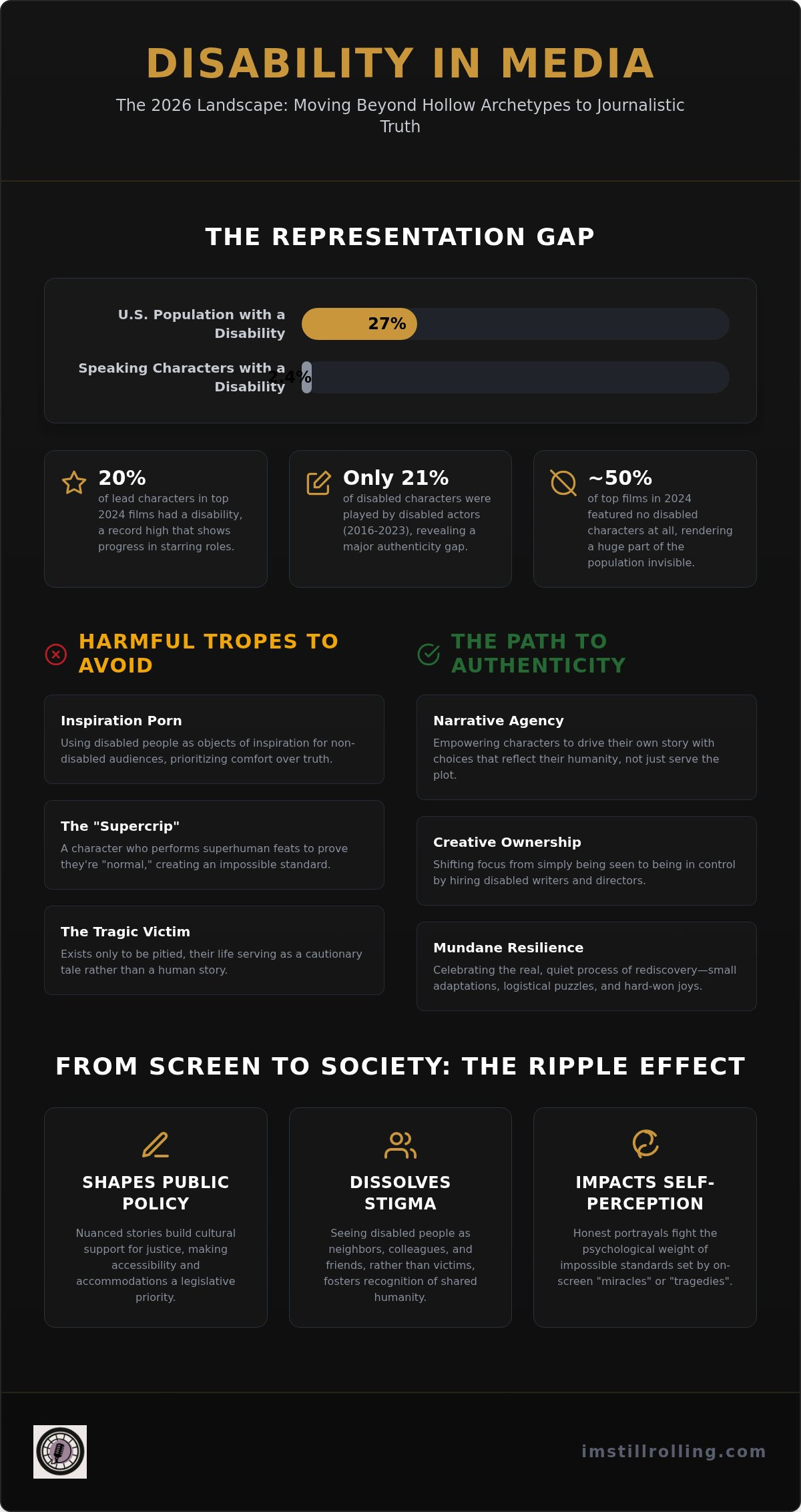
Did you know that while nearly 27 percent of Americans live with a disability, only 2.4 percent of speaking characters in major films actually share that reality? It's a gap that feels less like a statistic and more like a quiet erasure of our daily lives. You're likely tired of the "inspiration porn" that treats survival as a prop for others' comfort. We've all felt the frustration of seeing the caregiver's experience ignored or the nuanced reality of a diagnosis flattened into a simplistic trope. Authentic disability representation in media must move beyond these hollow archetypes to embrace the raw, journalistic truth of what it means to endure and evolve.
We've spent our careers as journalists and our lives as peers on this difficult journey, so we know the difference between a soundbite and a soul-deep story. You’re looking for something more than a polished caricature, and we’re here to help you find it. In this exploration of the 2026 media landscape, we'll show you how stories of resilience are finally becoming more nuanced and honest. You'll learn to identify the harmful tropes that still persist and where to find the authentic voices that reflect our messy, beautiful world. Let's look past the surface at the stories that truly honor the weight of the human experience.
Table of Contents
The State of Disability Representation in Media (2026 Update)
True disability representation in media isn't a box to be checked with a silent extra or a fleeting shot of a ramp. It's the messy, unvarnished truth of a life lived with purpose. While traditional broadcast often clings to "safe" stories, the real evolution is happening in independent spaces and streaming platforms. These creators aren't just showing us; they're letting us speak. Visibility alone is a hollow victory if we're only there to be looked at. Without the power to influence our own trajectories, we remain props. We advocate for a "Journalistic Guide to Resilience," a framework that prioritizes the facts of our lives over the fantasies of screenwriters who have never navigated a world that wasn't built for them.
By the Numbers: What the Data Tells Us Now
The data reveals a stark divide. While 2024 saw a record 20 percent of lead characters with disabilities in top films, the overall percentage of speaking characters has remained stuck at roughly 2.4 percent since 2015. This suggests that while we're occasionally allowed to be the star, we're still largely missing from the background of everyday life. Approximately 27 percent of Americans have a disability, yet nearly half of the top films in 2024 featured no disabled characters at all. The authenticity gap remains a significant hurdle; between 2016 and 2023, only 21 percent of characters with disabilities were played by actors who actually lived those experiences. Narrative agency is the power of a character to drive their own story through choices and actions that reflect their specific humanity rather than serving as a plot device for others.
The Ripple Effect: How Media Shapes Public Policy
Screen stories do more than entertain; they build the cultural scaffolding for justice. Historical patterns of disability in the media often dictated how much the public cared about accessibility. When we see nuanced stories, the "stigma of the chair" begins to dissolve, replaced by a recognition of shared humanity. This cultural shift directly impacts disability rights podcast trends and public appetite for ADA compliance. When the public sees us as neighbors rather than victims, funding for accessible transit and workplace accommodations becomes a legislative priority. Better storytelling leads to better policy because it forces the world to acknowledge our presence in every room.
Dismantling the 'Inspiration Porn' Trope
"Inspiration porn" is a term coined by the late activist Stella Young to describe media that uses disabled people as objects of inspiration for non-disabled audiences. This isn't authentic storytelling; it's a tool for comfort. When disability representation in media relies on these tropes, it usually swings between two damaging extremes: the "Supercrip" or the "Tragic Victim." The Supercrip is the person who performs superhuman feats to prove they're "normal," while the Tragic Victim exists only to be pitied, their life a cautionary tale of what happens when the body breaks.
Both poles erase the gritty, beautiful, and often boring reality of living with physical disability. Real life isn't a montage of mountain climbing or weeping in dark rooms. It's a series of small adaptations, logistical puzzles, and hard-won joys. We're moving toward a register of "realistic optimism," where we acknowledge the weight of the struggle without pretending it's easily solved. This shift requires us to look at characters as people first, rather than symbols of a writer's moral lesson.
The Psychological Impact of One-Dimensional Stories
Poor representation does more than just annoy us; it shapes how we see ourselves. For someone newly navigating a life-altering diagnosis, seeing only "miracles" or "tragedies" on screen creates an impossible standard. If you aren't walking again in six months, have you failed? If you aren't smiling through the pain for the benefit of others, are you a burden? These stories place an exhausting weight on our community to be perpetually "on." True resilience is a quiet, iterative process of rediscovery, not a cinematic punchline designed to make an audience feel better about their own lives.
Beyond the Miracle: Celebrating Mundane Resilience
Hollywood loves a "recovery at all costs" narrative. It suggests that the only way to have a meaningful life is to "fix" the disability. This is not only unrealistic; it's harmful. It ignores the "messy middle" of life after medical trauma, where the goal isn't always to return to who you were, but to discover who you are now. We need stories that celebrate adaptation. We need to see characters who navigate a world that wasn't built for them with humor, frustration, and truth. If you want to hear these unvarnished stories from people who have actually lived them, listen to our latest podcast episodes where we dive deep into the reality of life after adversity.
Authentic Casting and the Power of Ownership
For decades, the conversation regarding disability representation in media focused almost entirely on who appeared in front of the camera. Authentic casting, the practice of hiring disabled actors to play disabled roles, is a vital baseline, yet it's merely the beginning of a much larger transformation. In 2026, we're seeing a profound shift where the industry finally recognizes that a disabled actor reciting lines written by a non-disabled screenwriter often misses the mark of lived truth. The real power shift is occurring in the writer’s room and the producer’s office. When disabled creators take ownership of the narrative, the story moves from a performance of disability to an exploration of humanity. We see this firsthand through the I'm Still Rolling Podcast Episodes, where unfiltered voices provide a journalistic guide to resilience that Hollywood is only beginning to emulate.
Nothing About Us Without Us: The Creative Shift
The mantra "Nothing About Us Without Us" has transitioned from a protest slogan into a professional production standard. This change is driven by the rise of disability consultants and production access coordinators who ensure that the entire creative process is grounded in reality. When a disabled director is at the helm, the camera angle literally changes; it stops looking down in pity and starts looking across in solidarity. This evolution is heavily influenced by "Crip-Lit," a genre of literature written by disabled authors that now serves as a primary source for television scripts. These stories don't shy away from the messy, unhurried parts of life, and they refuse to treat accessibility as a plot twist or an afterthought.
PODCASTING: The Frontier of Unfiltered Representation
While film and television often demand a visual payoff, audio media offers a unique sanctuary for exploring the internal landscape of endurance. Podcasting has become the frontier for those who find the 30-second soundbites of traditional news to be insufficient for the gravity of our experiences. It allows for a deep-dive approach into the nuances of interpersonal relationships and the discovery of meaning within struggle. Mike Sugerman and Janice Wright utilize their decades of journalistic rigor to peel back the layers of these stories. They act as both trusted guides and vulnerable peers, creating a safe space for guests to share truths that are often edited out of polished network specials. This intimacy is where the real work of dismantling stigma happens, one unscripted conversation at a time.
Representing the Full Spectrum: Caregivers and Families
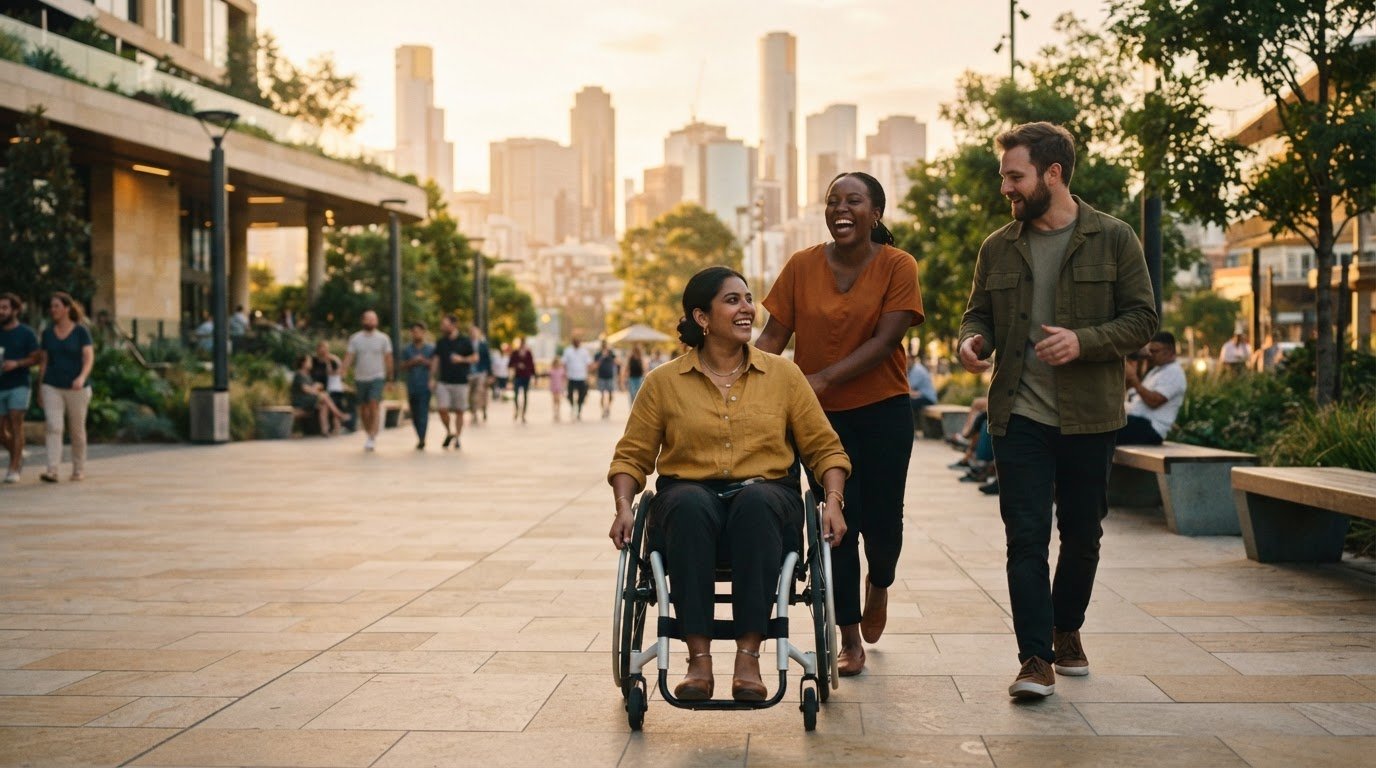
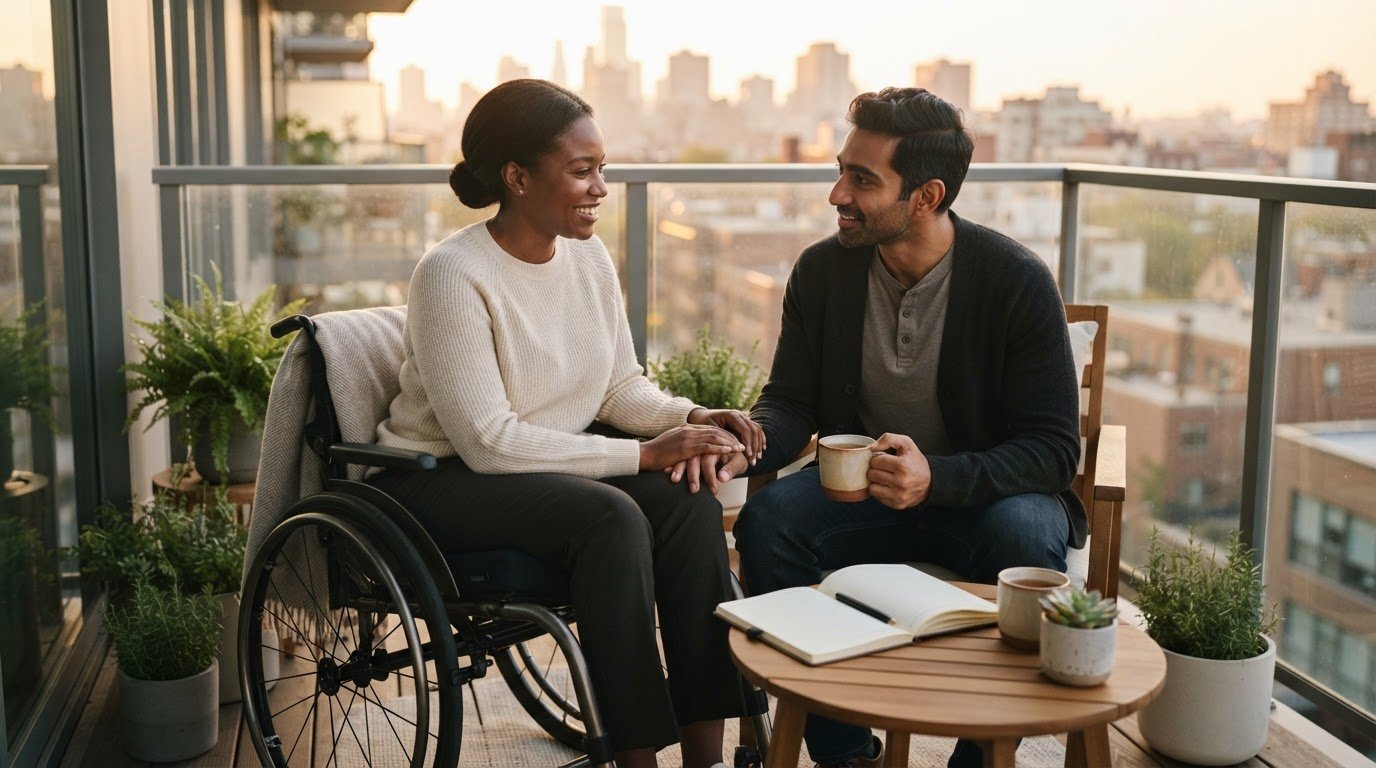
Adversity rarely travels alone. When a life-altering diagnosis or injury occurs, it creates a ripple effect that touches every member of a family unit. Yet, in the current landscape of disability representation in media, the caregiver is often relegated to a silent partner, a background figure who exists only to provide logistical support or emotional gravity for the protagonist. This narrow focus misses a profound opportunity for truth. To tell a complete story of resilience, we must acknowledge that the person holding the hand or pushing the chair has a narrative arc all their own. We need stories that explore the complexities of caregiving for a spouse with alzheimer's without defaulting to a simplistic narrative of tragedy or "burden."
Avoiding the 'Selfless Martyr' Trope
Media creators often fall into the trap of the "Selfless Martyr," portraying caregivers as saintly figures who have no needs, frustrations, or lives outside of their role. This trope is as damaging as it is inaccurate. It erases the raw reality of caregiver burnout, a valid and necessary theme for honest storytelling. When we give caregivers their own emotional complexity, we honor the weight of their endurance. The caregiver's lens serves as a vital part of disability media by documenting the ripple effect of adversity through the eyes of those who provide the scaffolding for a life of resilience. By showing the fatigue alongside the devotion, we create a more grounded and empathetic connection for the audience.
Intergenerational Stories of Resilience
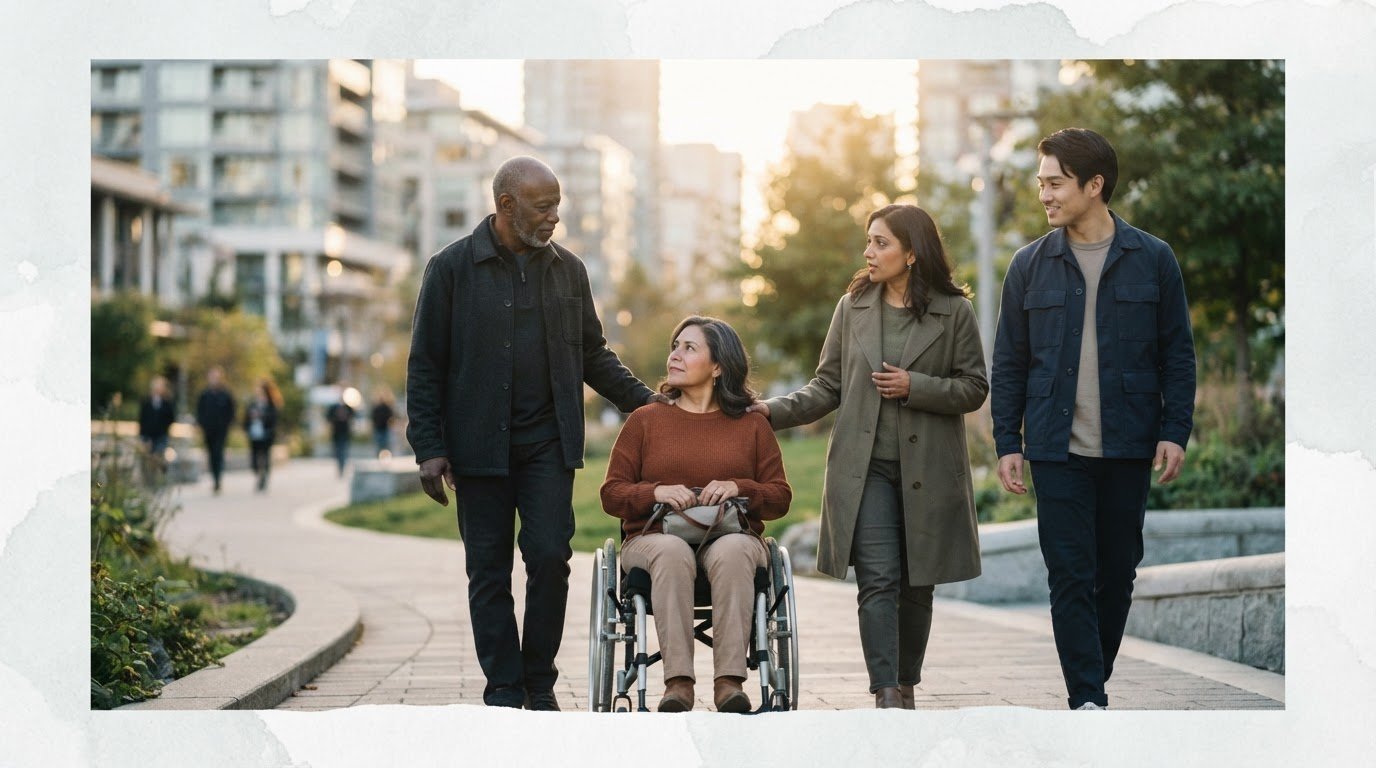
As our population ages, the intersection of disability and family dynamics becomes increasingly central to the human experience. Representing Alzheimer's and dementia with journalistic honesty requires a commitment to dignity over drama. We must move away from using memory loss as a plot device and instead treat it as a profound transformation that requires collective adaptation. These intergenerational stories bridge the gap between "us" and "them," reminding us that care is a universal currency. Empathy isn't just about feeling for someone; it's about seeing the world from their specific vantage point. When media captures the quiet, unhurried moments of a family navigating a cognitive shift, it validates the experiences of millions who rarely see their daily lives reflected on screen. If you find value in these unvarnished truths, sign up for the I'm Still Rolling Newsletter to receive our latest insights on navigating life's most difficult transitions.
How to Support and Demand Better Representation
Change in the media industry doesn't happen through quiet hope; it happens through the collective weight of our attention. Every time we choose to stream a series or download a podcast, we're casting a vote for the type of stories we want to see in the world. To improve disability representation in media, we must become discerning consumers who reward journalistic truth over polished pity. This means looking past the major networks and finding independent creators who aren't afraid to explore the messy parts of life. By supporting disability-led content, we signal to studio executives that there is a deep, untapped market for stories that reflect the actual human condition.
A Consumer's Checklist for Authentic Media
When you sit down to watch a new film or read a feature story, ask yourself a few critical questions to determine if the work honors the community it portrays. Use this checklist to evaluate the content you consume:
Is the disability a personality trait or just a plot point? A character should have hobbies, flaws, and desires that have nothing to do with their diagnosis.
Was the community involved in the creative process? Check the credits for disabled writers, producers, or consultants who ensured the details feel lived-in and accurate.
Does the narrative allow for growth, failure, and nuance? Authentic stories show that resilience isn't a straight line; it involves setbacks, frustrations, and the occasional lack of a cinematic "lesson."
The Future of Storytelling: What’s Next?
As we move through 2026, the tools for accessibility are evolving rapidly. AI-driven audio descriptions and real-time captioning are becoming standard, lowering the barriers for both creators and audiences. However, technology is only the delivery system. The heart of the story must still be grounded in what we call realistic optimism. This is the model we use at I'm Still Rolling. We believe that the future of media lies in long-form, unhurried conversations that give space for the gravity of struggle and the beauty of endurance to coexist. It's time to move beyond the soundbite and demand the whole truth. We invite you to join the conversation on resilience by subscribing to the podcast and discovering the power of unfiltered stories.
Shaping a Truthful Narrative for 2026 and Beyond
We've reached a turning point where ownership matters just as much as visibility. By dismantling the "inspiration porn" that has long dominated our screens, we're finally creating space for the "messy middle" of life after adversity. True disability representation in media now demands a register of realistic optimism, one that includes the vital, often overlooked voices of caregivers and families who anchor the experience of endurance. It's about moving from the soundbite to the soul-deep story, ensuring that the gravity of our challenges is met with the respect of a journalistic lens.
If you're ready to look past the polished Hollywood caricatures and find the unvarnished reality of these journeys, we invite you to join our community. Hosted by award-winning journalists Mike Sugerman and Janice Wright, our episodes offer deep, methodical explorations of life with SCI, Alzheimer's, and the daily work of transformation. There are no tropes or simplistic lessons here; just the grounded truth of what it means to keep moving forward when the world feels like it's stopped. Listen to 'I'm Still Rolling' for authentic stories of resilience as we navigate this difficult, beautiful path together. You aren't just a spectator in this shift. You're a vital part of the truth.
Frequently Asked Questions
What is the 'social model of disability' in media?
The social model of disability suggests that people are disabled by barriers in society, such as inaccessible buildings or prejudiced attitudes, rather than by their physical or cognitive impairments. In media, this shift moves the narrative away from "fixing" the individual and toward reforming the environment. It reframes the story from a medical tragedy to a civil rights issue, emphasizing that the world must adapt to include everyone who lives within it.
Why is 'inspiration porn' considered harmful by the disability community?
Inspiration porn is harmful because it reduces complex human lives to a tool for the emotional gratification of non-disabled audiences. It objectifies individuals by treating their everyday survival as a "miracle" designed to make others feel better about their own lives. This trope creates an exhausting standard where disabled people feel pressured to be perpetually cheerful or heroic, effectively erasing the raw, unvarnished reality of their actual experiences and internal struggles.
How has disability representation changed since the ADA was passed?
Since the Americans with Disabilities Act was passed in 1990, visibility has increased, yet disability representation in media remains disproportionately low. We've moved from a period of near-total erasure to a landscape where 20 percent of lead roles in top 2024 films featured a disability. However, the quality of these stories often lags behind the quantity. While the law improved physical access, cultural access requires a move toward narratives that prioritize agency and ownership.
What does 'authentic casting' mean in the film and TV industry?
Authentic casting is the practice of hiring actors with lived experience of a disability to play characters with that same disability. This is crucial because a disabled actor brings a physical and emotional truth to a role that a non-disabled performer cannot replicate. It ensures that nuances, such as how someone handles a mobility aid or navigates a cognitive shift, are portrayed with journalistic accuracy rather than as a clumsy performance of a stereotype.
Can non-disabled writers create good disability representation?
Non-disabled writers can create meaningful stories, but they shouldn't do so in a vacuum. Success requires deep collaboration with disabled consultants and production access coordinators from the earliest stages of development. Without this partnership, writers often default to tired clichés like the "tragic victim." Good representation happens when a writer listens more than they speak, allowing the community's lived truth to dictate the character’s choices, frustrations, and hard-won moments of resilience.
Where can I find podcasts that focus on authentic disability stories?
Authentic stories are best found on independent platforms that prioritize long-form, unscripted truth over polished soundbites. Our show, I'm Still Rolling, is a prime example of this journalistic approach. We avoid the superficial cheerfulness of mainstream specials to explore the internal resilience required for life after a spinal cord injury or an Alzheimer's diagnosis. These independent spaces allow for the "messy" parts of life to be shared without being edited for audience comfort.
How does media representation affect the mental health of disabled viewers?
Media acts as a mirror for our self-worth. When disability representation in media is limited to tropes of tragedy or saintliness, it can lead to feelings of isolation and inadequacy for disabled viewers. If you don't see your reality reflected, you might feel like your life is a "failure" because it doesn't match the cinematic miracle. Conversely, honest representation validates the difficult parts of endurance, creating a sense of belonging and grounded, realistic optimism.
What is the 'Supercrip' trope and why is it problematic?
The "Supercrip" trope features a disabled person who achieves extraordinary feats, like climbing a mountain or winning a race, to prove they've "overcome" their disability. It's problematic because it suggests that a disabled life is only valuable if it is exceptional. This narrative places an unfair burden on regular people to perform at superhuman levels just to be seen as worthy of respect, while ignoring the systemic barriers they face daily.
Comments